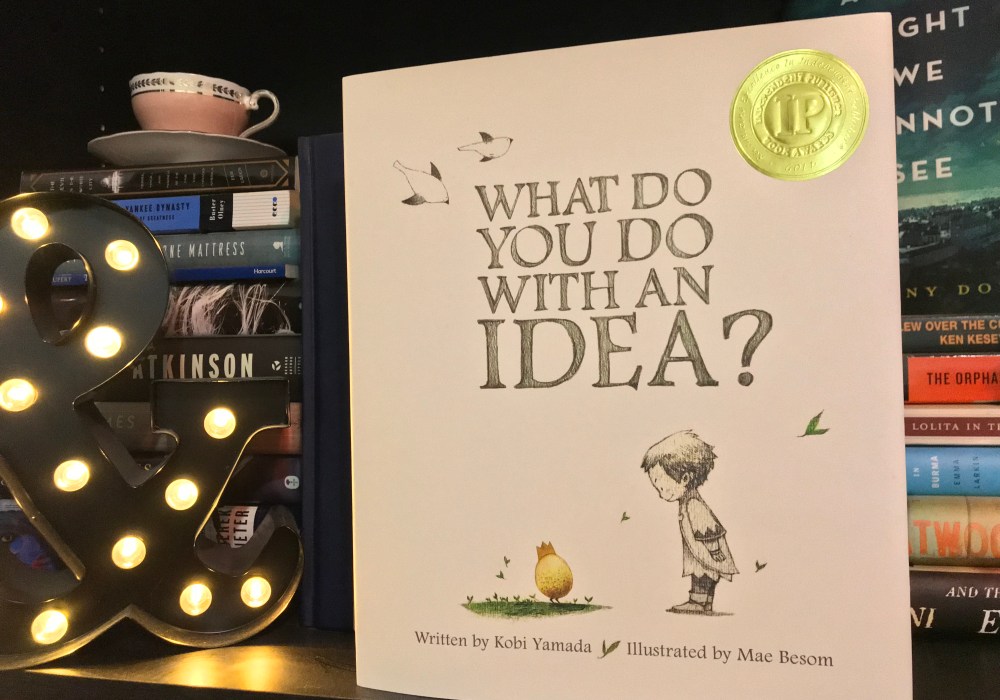
For the first time in two years, I have decided to get organized and start writing a new full length play. I have an idea, I have the materials, I have developed a schedule, I am ready to start. Just before giving myself the green light to begin this project, I thought it might be nice to use this space to document my journey from beginning to end. Some previous experience has led me to understand that it’s no small task to see a play through from conception to completion.
Most of us that are aspiring towards any creative project don’t receive grants for our endeavors. We work 40+ hours a week at unrelated jobs. We also have families and friends that we would like to pay attention to. Or maybe we pay for a monthly blog that we should write in more than once a year (hello). This is the story of how I am going to manage it all, taking you through each individual milestone, what I could have done better, what I spent my time on, how I navigated my obstacles. Maybe afterwards we can all sit down and watch a play together and, if I’m lucky, you won’t think I wasted my time completely. Let’s get started with the first step in my experience:
The Statement of Intent
This is a big one mainly because it’s the first one! This is my inciting incident whenever I start a project. It’s a little bit scary, but it’s mostly exciting. If this part doesn’t go well, then that’s pretty much the end of my project whether I want to keep going or not. The idea gets filed away into a folder on my computer labeled “The Graveyard” never to be heard from again. The goal is to use the Statement of Intent as a motivational launching pad, and keep me going when the project turns into a slog, something that can remind me that I am not the only person who finds this interesting. My statement of intent can be explained in four parts:
I. What is it?
It is the moment where the skeleton of an idea leaves my head and gets pitched to someone else. Think of all the times you have ever sat with your friends and said, “wouldn’t it be cool if they made a movie out of this…?” (Except it’s not a movie. It’s a play. I’m writing a play. I don’t know enough people to make a movie.)
It doesn’t have to be a fully fleshed out point-by-point outline of the plot, just a brief casual conversation about the ideas, my beginning thoughts on execution, and what caused me to think about the particular subject matter. If I have much more than that to say then I have probably waited too long to make my statement.
II. When do you pitch?
Timing is everything, like I said earlier, the whole point of this is to gather momentum for getting my project up and running. I need to be able to learn something from the conversation, I need to have at least an inkling of whether or not people find it interesting. So I want people to be paying attention, here’s a bad example of timing:
“Hey guys, I know it’s the last play of The Superbowl and the game is tied. But I have a great idea for a play if you want to hear it.”
I just learned nothing. If I make a pitch at that moment everyone will just brush off the fact that I said anything. This scenario ends with me going home and crying softly to myself while I burn my notebook full of cool ideas. I have no one to blame but myself. The lesson? Don’t pick a time to ask to be the center of attention when no one cares about you.
Conversely, I also think it’s important to do it without a lot of fanfare. I don’t want to color the opinion of my idea by starting a hype machine too far in advance. It’s an idea… it’s not the whole project. There’s no reason to send out invitations to people saying, “I have an idea. Please join me on March 24th, so I can spend 5 minutes telling you my idea.”
Just find a happy medium – I have pitched on my back porch while watching a sunset, I have pitched halfway through a phone call; for this particular play, I pitched while walking to dinner with my friends – there were no major events to steal their attention, everyone was in a good mood, it was a 15 minute walk so I had a captive audience. It’s just about finding the right moment to have a casual chat about something really important.
III. Who do you pitch to?
This is the one that I am typically the most careful about. I have put quite a few plays in The Graveyard because I opened my mouth about them to the wrong person. Over time, I have found the right people to talk to about my work. I have narrowed it down to 6 people, at this point it’s the same 6 people every time:
My wife
Both of my parents
Three of my closest friends who are also writing partners.
And that’s it. No one else. The goal is to float the idea, not flaunt it.
These are the 6 people who know what I’m looking for when I tell them an idea. Which brings me to –
IV. What Are You Looking For?
This is pretty straightforward:
I am looking for encouragement. Even if these people think the idea is awful and it goes straight to The Graveyard they are still usually pretty excited that I have something to work on.
I’m looking for interest. Do my 6 people seem geniunely interested to hear more about my creative plans for the coming year? If they don’t that’s a pretty good indicator that maybe writing 90-100 pages of boring isn’t a great idea.
I’m looking for questions. Not necessarily questions about the intricacies of the plot, because those answers don’t exist yet. Mainly clarifying questions about the project. In this case I got some questions about how I see staging, historical events involved, etc. Questions signify attachment or engagement, so if I get some thought provoking questions about the project I know there is something to build with.
I am not looking for suggestions. This is why you have to find the right people to pitch to. I don’t want ideas from my team. Not yet. There will be time for that later (much later) in the process, but until I have AT LEAST a first draft for them to read, the project is mine and mine alone. I have graveyarded a lot of really exciting ideas because the people I spoke to about the project wanted to give me ideas on how they would write it. Try and politely cut off statements like, “you should,” “you could,” “it would be cool if…” I would be more than happy to hear all those when I have a strong foundation of what my play is, but until that time comes, it’s just extra clutter.
That’s it. That’s my statement of intent. If all goes well then I have a lot of tools in my back pocket before I even pick up a pen to write.
- I have Momentum/Excitement to carry me through the first stages of my project.
- 6 People I trust who will periodically say, “hey how’s your play going? Tell me about your progress?”
- Those same 6 people have inadvertently volunteered to be the first ones to read the early drafts. All the early drafts.
Now I’m ready to move onto the next step of my process, which I will talk about in more depth next time.
One Last Thing
Inevitably people will ask you what I am working on these days. It’s rude and a little bit weird to say, “I can’t tell you, it’s a secret.” They know I’m not writing the next Star Wars movie, so why am I keeping it a secret? That’s when an elevator pitch comes in handy. 20-30 seconds on your topic, so it can be understood efficiently. So if you were wondering about my project:
I’m writing a play about the last Tsar of Russia, Nicholas II, his last days as Tsar, and what caused him to abdicate the 300-year Romanov Dynasty.
It’s gonna be riveting. Thanks for reading. Hopefully I’ll be back next month.

Unless I fall victim to… THE GRAVEYARD
 The Extended Hiatus
2 comments