Lock Down!

This will make sense eventually.

About a year ago I took a break from my sporadic upkeep of this website… a hiatus… from my hiatus. 

I pivoted most of my extra time into a year’s worth of ‘extra-curricular’ school at the Second City Training Center. I wanted to put my other projects on hold to spend some time learning how to write something different. The goal with most of Second City’s course offerings is to spend a year taking classes that culminate in a final showcase. In this case, our class would write and produce a stage variety show, casting and directing other actors. One year, six classes, & one pandemic later, that didn’t quite come to fruition. What we ended up with was four 10-15 minute shows released over the course of four weeks. 

I originally intended to use this space as a vehicle to share the knowledge I gained during a year of classes. But ultimately, that’s probably not a cool thing to do as someone gets paid to design and teach that curriculum and I’m not trying to take money out of their pockets. So instead of talking about what I learned in class, I’ve decided to talk about some things I learned about producing amateur work during a pandemic. 

1) Writing sketches for a camera is wildly different than writing for the stage. 

Yeah… no doi Brian. Hope you didn’t empty your bank account for this one.   

Maybe it’s an obvious statement, but there are a lot of small things you have to account for when you’re writing a sketch script for stage. It’s way more efficient to write for screen; when you see two people sitting in a coffee shop, you don’t have to write unnatural dialogue about being in a coffee shop like you would sitting on an empty stage. But if you want to write a sketch about a girl with a samurai sword… you have to have a samurai sword. It’s like we learned how to write all year in a square box and then the pandemic hit and we were suddenly writing in a rectangle box. All the lines were still there but the margins for cutting corners are in different places… yeah, maybe that was a pretty obvious thing to say.

2) COVID-19 isn’t funny. 

Get the stick out of your ass Brian. Anything is funny if you make the right joke.

It’s not that there aren’t elements of it that aren’t funny. I have seen my peers write plenty of funny sketches involving distancing, or being understood in your mask, etc. But by and large… it’s not a funny topic. We’re dealing with it 24/7, whether it’s hearing about spiking cases, the political angle, the lockdown angle, the economic angle. It’s ALWAYS there, and when we get past all these things and it’s time to make jokes… I just want to make jokes about something that doesn’t exhaust me. On the surface it seems like easy pickings comedy is better when we all have a shared experience, right?  But Coronavirus is fool’s gold for that, because we aren’t sharing this experience. Some of us know people who have died. Some of us have to go to work every day. Some of us don’t think it’s real. Some of us are battling depression and anxiety from prolonged isolation. There’s no catharsis in jokes about it because we’re all in need of a different type of catharsis… or maybe I just haven’t seen a great joke yet. I hope you can find it! Because I can’t.

3) Shorter is Better

You’re just saying that because you’re too lazy to write any of your plays Brian!

I don’t know about you, but my attention span is shot. I’ve written on this site about how much I love to read and I’ve finished maybe 2-3 books all year. I balk at watching a movie lately, but I’ll watch 2 hours of music videos. Shorter is better. In lockdown, I’ve read a lot of plays, comic books, short stories, YouTube videos, TikTok videos, trashy TV. I’m not looking for epics right now, I’m looking for vignettes. There’s something way more digestible about consuming smaller bites… or I’m just mixing my metaphors because I’m too lazy to find the right metaphor. 

4) There’s never been a better time to make stuff. 

Your next post will be in a year telling us how you didn’t make anything.

There’s so much time to make stuff right now. Our class pivoted from a stage show to a filmed show in just 8 weeks. It’s just about problem solving. There are a million ways to tell an effective story – we’ve gotten so used to consuming media in only a few ways/styles that we’ve forgotten about old fun ways to do it (the RADIO!) or we haven’t thought of new fun ways (I’ll tell you when I think of it). I have a classmate that very wisely reminded us all one day that the result of the Black Death was the Renaissance. So get to work and share everything! If you’re like me, and you have a little voice in your head that second guesses every single thing you do or say. Let’s prove it wrong.

I look forward to sharing my work here with you. I guess you could say I’m back on Extended Hiatus.  

This is one week of my class’s four-week sketch show. I wrote and produced two of the segments in this one: “Mystical Mr. Cal” & “Ethics of a Billionaire”. Special thanks to my wife for being my quarantine pal and appearing in both sketches. If you like these, watch some of the related videos to see more of my classmates’ work.
Click to Youtube for full credit

HIATUS!

True to form, I am putting my current project on hiatus to work on some other things. I am NOT putting in the Graveyard.

Kind of sounds like you’re putting it in the Graveyard Brian.

No, I’m not. I swear. I’ve started taking some writing classes. They’ve put a lot of ideas in my head about how I want to shape the structure of this thing before I proceed.

Kind of sounds like you’re being lazy.

I’m not! Seriously! If anything it will give me MORE content fodder for this website.

Like what?

Three part structure! Writing Songs! Comedy techniques!

Oh. This sounds like you’re trying to write a completely different play.

YES! Hence the title of this post… HIATUS.

Ok. But if you don’t do anything soon. I’m going to rename this site: Deadbeat Writer: Adventures of a Deadbeat Writer.

Seems a bit harsh. But fair enough. I’m still going to have things to write about.

Prove it deadbeat.

Ok. Ok. I’ll try. Gosh. Maybe let’s try a little positivity next time.

A Little Nostalgia…

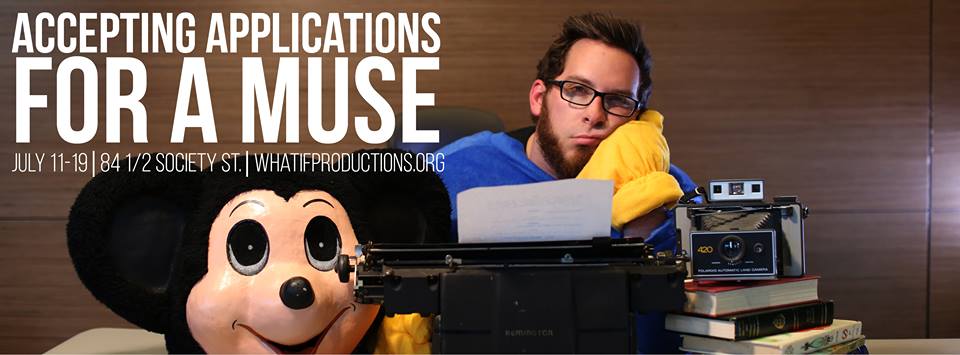
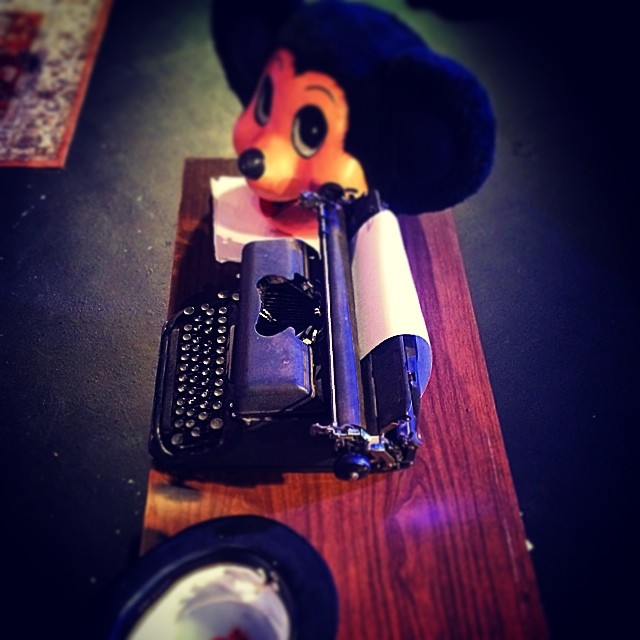
Accepting Applications for a Muse presented by What If? Productions

This week commemorates a pretty special moment for me. No, it’s not the moon landing, but it’s almost as good. Five years ago I had a full run of a production for the first time. Accepting Applications for a Muse was a play I wrote for a Charleston competition at WhatIf? Productions.
Daniel dreams of becoming the next great American novelist. But his dreams run the risk of total derailment by a bad case of writers block. Up against a deadline, and desperate for anything to break his slump he puts out an ad in his local newspaper: ‘Accepting Applications for a Muse.’ The answer he gets is unexpected.
I learned a lot working on this. Things like, long titles take a long time to say. You will never really feel like a project is done, and it requires a good amount of trust to give it away and let someone else give it legs. Five years on, I am still grateful for the experience. Looking forward to my next world premiere, whenever that may be.

Interrogating about procrastinating my task of investigating.

“Hopefully I’ll be back next month.” That’s what I wrote on March 18, 2018. What I meant to write was, “Hopefully I’ll be back next year.” Because, let’s face it, my blog posts are essentially on par with Avengers movies. I need time to craft them (stop playing video games), to add all the computer generated images (text on the screen), and really really take the time to edit them down to perfection (read once and hit publish).

In all seriousness, it’s a mix of laziness and a lack of empty time. As much as I love to sit down and write anything, it always feels like homework and I get distracted entirely too easily. Once I lock in, it’s great… but it’s the locking in part that’s hard. But it doesn’t mean I’ve spent the last 14 months doing nothing. I have, in fact, spent it on the planned next step of my process. The research. 

Here’s a great interview I just conducted with myself about it.

Tell me about the research?

Well, it was simultaneously the most rewarding and painful thing that I have ever pursued when tackling a creative endeavor. Over the last year I have read, notated, and transcribed 14 books dealing with my topic. I am well aware that in a perfect situation I would have way more done but, like I’ve mentioned before – I work 40+ hours a week. I get to the side hustle when I can. While it took over a year to do I tried to whittle down to a handful of books that would make me the most efficient expert on a niche topic.

How did you decide what to research?

I took my four definite characters and I found the most interesting, well-reviewed biographies of each of them. I tried to get two books for each person. Nicholas II got more because, well, he’s the protagonist; he will have the most stage time.

After getting those books covered I grabbed a couple of highly-rated general histories of the time period. I also tried to read a couple of fictional novels written during that period in an attempt to understand things like speech, dialogue, and morality from the time period.

Cool. You read a lot. Congratulations.

Yeah, I know. I sound kind of smug, but I accept that. I did read a lot. I’m proud of that. It was usually at 7am on a full train standing up with someone’s armpit in my face (I’m not a tall guy… once people reach for the straps I’m in for a sampling of popular Chicago deodorants… and that’s best case scenario.)

Because of the friendly confines of the El, I took all my notes, wrote dialogue, and character traits in the margins. This really ended up creating an efficiency problem for me later on.

Problems? Tell me more?

I’m writing these notes in the margins of the books, then transcribing them to a notebook during my lunch break, and then typing my notes into a Word document at home so I can have a searchable database when I start writing. You can imagine the tedium. This was mostly by necessity, as I didn’t want to cart my computer around town with me. A book, a notebook, and a pen is much more creatively pliable when commuting to work. But it adds two extra steps to the process – ideally I would have read at my desk and punched my notes straight into my computer. 

Sounds like you spent 14 months coming up with a lot of excuses huh?

Well sure… but I think those are legitimate excuses? I also applied, interviewed, and started a new day job… so I mean… what do you want me to say here?

If you say so. Anything else you want to be honest about regarding your efficiency problems?

Fine. I procrastinated. I procrastinated a lot. I beat God of War on Playstation… I’ve almost played 100 percent of Red Dead Redemption 2… I watched all of the Marvel movies… in a row… some of them twice. I rewatched all of Game of Thrones, I rewatched all of Breaking Bad…

And?

… I read 70 comic books on my iPad this weekend before starting this blog post.

Why waste so much time?

Tough interview. It’s easy to procrastinate on every part of the process. The cause is usually a 50/50 split between fear and laziness. Laziness because I am too tired for critical thinking. Fear because what if I actually get past the research part and make it to the writing… and it’s terrible?

Always tough to admit that you spent a lot of time on something and it could still be bad.

Secondary to those things, there aren’t as many “eureka!” moments that come with the research. I read a lot of the same things over and over again across books. Occasionally I would stumble upon a new and compelling character trait, or think of some dialogue that may fit somewhere and scribble it into the margins. But way more time is spent underlining information i’ll probably never use… then handwriting it… then typing it. After a while it’s really tough to get excited to get to work. It’s a real grind.

Well, did you learn anything?

Yeah, I think I did:

If you’re writing a play about three days in someone’s life… you maybe don’t need to write down every single detail about a random day when they were four years old… you can maybe just bookmark that page and come back.

But more importantly, do you remember my last post when I talked about my statement of intent? (It’s ok to say no. I don’t remember if I ate breakfast today or not.)

I talked about why it’s important to tell people about your project, so they can encourage you when you forget to encourage yourself. All of those people have continued to ask me about my progress. I have one friend who holds me accountable almost daily, he even sends me great motivational memes and videos like this one:

I’m grateful for him. I’m grateful for Shia LaBeouf and everyone else who continues to keep me working. I try to pay it forward on their projects.

Well I guess those are all the questions for you… when can we expect to hear from you again?

I want to say soon… because I’ve already completed the next step of the process.

Oh can you tell us about that?

Without giving away too much – I can tell you that it involves a cat, a bulletin board, and multicolored pens.

Sure, that sounds relevant. Thanks for the interview Brian. We’ll let you get back to your… comic books I guess.

No, thank you Brian. You’ve been a joy to chat with, as always.

And if you’ve read this whole post thinking to yourself, “What the hell is he talking about?” Here’s how to catch up: https://extendedhiatus.org/2018/03/09/statement-of-intent/


Books I read:

Crime and Punishment              Fyodor Dostoyevsky

I wanted to start with a fictional account that would lend itself to immersion into Russia just before Nicholas was born. I had lofty ideas that this would ease my transition into the research.

The End of Tsarist Russia          Dominic Lieven

A dry historical account of the progression towards Revolution. Lots of relevant backstory… but rushed through the particular era that I was interested in.

The Shadow of the Winter Palace Edward Crankshaw

An interesting recap of the years leading into Nicholas II’s reign and how national policy was shaped before the era that I am writing about.

Nicholas II                                   Marc Ferro

Fantastic biography of Nicholas II, full of relevant historical information and the best attempt to peak into the psyche of the tragic Tsar.

Lenin                                          Victor Sebestyen

Similar to Nicholas II, this was a good mix of historical information and motivating factors surrounding my antagonist.

The Rasputin File                         Edvard Radzinsky

Not particularly useful. Some good facts about the man, but mostly focused on analyzing Rasputin’s attachment to a sexual cult – not the scope I had hoped for.

The Last Empress                         Greg King

Not enough material written exclusively for Alexandra. I found this account somewhat useful, but it required a lot of sifting through needless blame and vaguely misogynistic accusations towards Alexandra Romanov.

War & Peace                                Leo Tolstoy

Nicholas II is credited with reading this multiple times in his life, notably during his last days alive. I wrote a lot of questions in the margins, wondering what themes he might have found relevant to him. His diaries show a reverent quality to the historical, philosophical, and entertainment values of this novel.

The Last of the Tsars                   Robert Service

An analytical approach to the historical period immediately following my play. Mainly helped with character insight.

Lenin on the Train                       Catherine Merridale

Same as above. Historically driven, but follows the events of my play.

Rasputin                                       Douglas Smith

Debunks a lot of the mythology of Rasputin… I want to write about the mythology of Rasputin though. So I took only what I needed from this one.

Nicholas and Alexandra                Robert K. Massie

Plays up romantic connection between Nicholas and Alexandra. Helped to give both of them depth of feeling.

A People’s Tragedy                       Orlando Figes

A straightforward historical retelling of the causes of revolution and beyond.

The Last Tsar                              Edvard Radzinsky

History book written by a playwright, helped me find the events in my particular retelling of the abdication.

The Brothers Karamazov             Fyodor Dostoyevsky

Just a symbolic book end to my reading. Nothing to do with the Romanovs but I read it for the flavor.

*Anastasia’s AlbumHugh Brewster

Not an actual book, just an album compilation. Pictures that were taken from Anastasia’s camera.

Statement of Intent

For the first time in two years, I have decided to get organized and start writing a new full length play. I have an idea, I have the materials, I have developed a schedule, I am ready to start. Just before giving myself the green light to begin this project, I thought it might be nice to use this space to document my journey from beginning to end. Some previous experience has led me to understand that it’s no small task to see a play through from conception to completion.
Most of us that are aspiring towards any creative project don’t receive grants for our endeavors. We work 40+ hours a week at unrelated jobs. We also have families and friends that we would like to pay attention to. Or maybe we pay for a monthly blog that we should write in more than once a year (hello). This is the story of how I am going to manage it all, taking you through each individual milestone, what I could have done better, what I spent my time on, how I navigated my obstacles. Maybe afterwards we can all sit down and watch a play together and, if I’m lucky, you won’t think I wasted my time completely. Let’s get started with the first step in my experience:

The Statement of Intent
This is a big one mainly because it’s the first one! This is my inciting incident whenever I start a project. It’s a little bit scary, but it’s mostly exciting. If this part doesn’t go well, then that’s pretty much the end of my project whether I want to keep going or not. The idea gets filed away into a folder on my computer labeled “The Graveyard” never to be heard from again. The goal is to use the Statement of Intent as a motivational launching pad, and keep me going when the project turns into a slog, something that can remind me that I am not the only person who finds this interesting. My statement of intent can be explained in four parts:
I. What is it?
It is the moment where the skeleton of an idea leaves my head and gets pitched to someone else. Think of all the times you have ever sat with your friends and said, “wouldn’t it be cool if they made a movie out of this…?” (Except it’s not a movie. It’s a play. I’m writing a play. I don’t know enough people to make a movie.)
It doesn’t have to be a fully fleshed out point-by-point outline of the plot, just a brief casual conversation about the ideas, my beginning thoughts on execution, and what caused me to think about the particular subject matter. If I have much more than that to say then I have probably waited too long to make my statement.
II. When do you pitch?
Timing is everything, like I said earlier, the whole point of this is to gather momentum for getting my project up and running. I need to be able to learn something from the conversation, I need to have at least an inkling of whether or not people find it interesting. So I want people to be paying attention, here’s a bad example of timing:
“Hey guys, I know it’s the last play of The Superbowl and the game is tied. But I have a great idea for a play if you want to hear it.”
I just learned nothing. If I make a pitch at that moment everyone will just brush off the fact that I said anything. This scenario ends with me going home and crying softly to myself while I burn my notebook full of cool ideas. I have no one to blame but myself. The lesson? Don’t pick a time to ask to be the center of attention when no one cares about you.
Conversely, I also think it’s important to do it without a lot of fanfare. I don’t want to color the opinion of my idea by starting a hype machine too far in advance. It’s an idea… it’s not the whole project. There’s no reason to send out invitations to people saying, “I have an idea. Please join me on March 24th, so I can spend 5 minutes telling you my idea.”
Just find a happy medium – I have pitched on my back porch while watching a sunset, I have pitched halfway through a phone call; for this particular play, I pitched while walking to dinner with my friends – there were no major events to steal their attention, everyone was in a good mood, it was a 15 minute walk so I had a captive audience. It’s just about finding the right moment to have a casual chat about something really important.
III. Who do you pitch to?
This is the one that I am typically the most careful about. I have put quite a few plays in The Graveyard because I opened my mouth about them to the wrong person. Over time, I have found the right people to talk to about my work. I have narrowed it down to 6 people, at this point it’s the same 6 people every time:
My wife
Both of my parents
Three of my closest friends who are also writing partners.
And that’s it. No one else. The goal is to float the idea, not flaunt it.
These are the 6 people who know what I’m looking for when I tell them an idea. Which brings me to –
IV. What Are You Looking For?
This is pretty straightforward:
I am looking for encouragement. Even if these people think the idea is awful and it goes straight to The Graveyard they are still usually pretty excited that I have something to work on.

I’m looking for interest. Do my 6 people seem geniunely interested to hear more about my creative plans for the coming year? If they don’t that’s a pretty good indicator that maybe writing 90-100 pages of boring isn’t a great idea.

I’m looking for questions. Not necessarily questions about the intricacies of the plot, because those answers don’t exist yet. Mainly clarifying questions about the project. In this case I got some questions about how I see staging, historical events involved, etc. Questions signify attachment or engagement, so if I get some thought provoking questions about the project I know there is something to build with.

I am not looking for suggestions. This is why you have to find the right people to pitch to. I don’t want ideas from my team. Not yet. There will be time for that later (much later) in the process, but until I have AT LEAST a first draft for them to read, the project is mine and mine alone. I have graveyarded a lot of really exciting ideas because the people I spoke to about the project wanted to give me ideas on how they would write it. Try and politely cut off statements like, “you should,” “you could,” “it would be cool if…” I would be more than happy to hear all those when I have a strong foundation of what my play is, but until that time comes, it’s just extra clutter.

That’s it. That’s my statement of intent. If all goes well then I have a lot of tools in my back pocket before I even pick up a pen to write.

  • I have Momentum/Excitement to carry me through the first stages of my project.
  • 6 People I trust who will periodically say, “hey how’s your play going? Tell me about your progress?”
  • Those same 6 people have inadvertently volunteered to be the first ones to read the early drafts. All the early drafts.

Now I’m ready to move onto the next step of my process, which I will talk about in more depth next time.

One Last Thing
Inevitably people will ask you what I am working on these days. It’s rude and a little bit weird to say, “I can’t tell you, it’s a secret.” They know I’m not writing the next Star Wars movie, so why am I keeping it a secret? That’s when an elevator pitch comes in handy. 20-30 seconds on your topic, so it can be understood efficiently. So if you were wondering about my project:

I’m writing a play about the last Tsar of Russia, Nicholas II, his last days as Tsar, and what caused him to abdicate the 300-year Romanov Dynasty.

It’s gonna be riveting. Thanks for reading. Hopefully I’ll be back next month.

Unless I fall victim to… THE GRAVEYARD

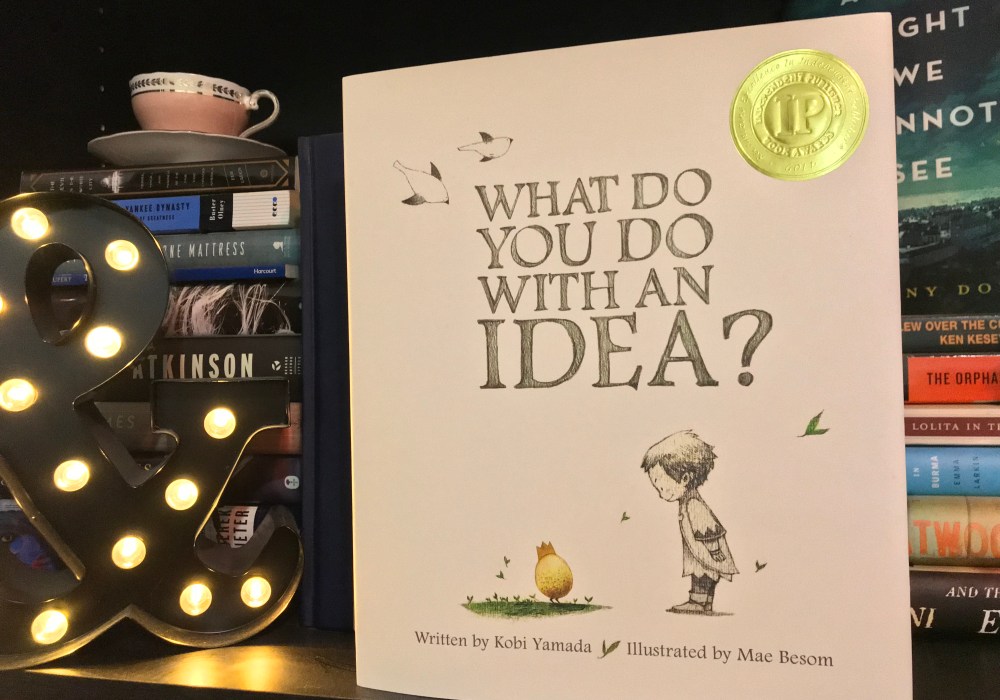
My Year in Books (2017)

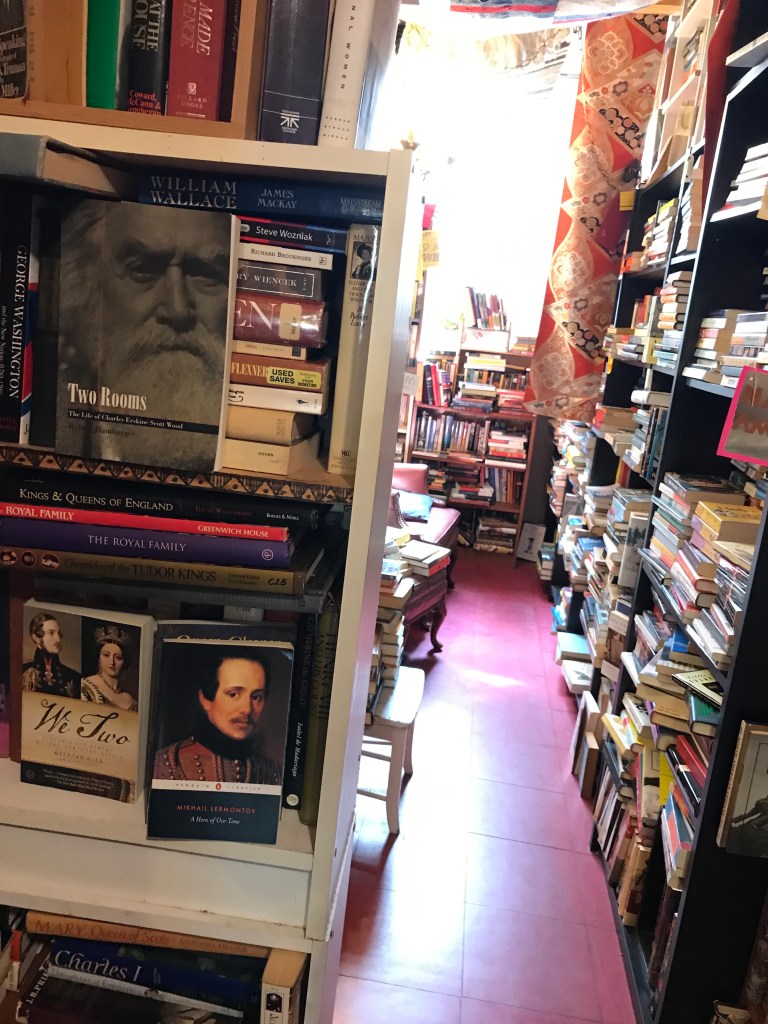
Ravenswood Used Books

I think that three conclusions can be drawn from my last three posts:

  1. I abandon New Years Resolutions very quickly.
  2. I am clearly not a blogger. I just pay to have a blog.
  3. It is possible I will have more to say this year… but let’s not get carried away.

Now that I have addressed the elephant in the room, I would like to share my year in books! This time last year I set a lofty goal to read 40 books in 2017. Here’s how I did:

January
All The Kings Men Robert Penn Warren
As always, I started the year out with a Christmas present from Mom. Listed on Time Magazine’s list of 100 best books since 1923, it is filled with sharp imagery, political intrigue, corruption and scandal. It ended up being a perfect tone setter for the actual year in politics.
The Magician King Lev Grossman
A Monster Calls Patrick Ness/Siobhan Dowd
A long form book for young adults. One of the most moving and creative stories I have read in a long time. When you’re done reading, watch the fantastic movie adaptation from J.A. Bayona.
Moby Dick Herman Melville
A few years ago I made a list of books to finish in my life that I categorize as “Feats of Strength.” This is one of them. Now it’s crossed off the list.

February
I don’t think I need to explain why I was stuck in a dystopian state of mind in February 2017.
1984 George Orwell
The Handmaid’s Tale Margaret Atwood
Farenheit 451 Ray Bradbury
Brave New World Aldous Huxley
Animal Farm George Orwell

March
The Great Hunt Robert Jordan
2/15 Wheel of Time books down.
Lonesome Dove Larry McMurty
My favorite western. It’s been a while since I first read this one. Luckily I forgot a lot of details so it felt fresh.

April
Xenocide Orson Scott Card
Blood Meridian Cormac McCarthy
Looking to follow up Lonesome Dove with another western. Set in the same time period, McCarthy’s brutal western is a sharp contrast to McMurtry’s version of the old west.
Norse Mythology Neil Gaiman
Modern Romance Aziz Ansari

May
One More Thing: Stories and Other Stories
B.J. Novak
A Very Expensive Poison Luke Harding
I think I exclaimed “I can’t believe this is true!” in ten page increments throughout this entire reading. Seems like it’s ripped from a spy movie.
The Dragon Reborn Robert Jordan
3/15 Wheel of Time books down.
Children of the Mind Orson Scott Card

June
Tinker, Tailor, Soldier, Spy John Le Carré
The Honourable Schoolboy John Le Carré
Smiley’s People John Le Carré
Protagonist, George Smiley, is The Anti James Bond. These books are written by a former member of the British Secret Service, full of slow burn intrigue and psychological warfare. Looking forward to reading his latest installment this year.

Halfway Count: 22. Right on pace.

July
The Mandibles Lionel Shriver
Recommended by my brother, this is another dystopian novel on the year. It’s basis in actual economic theory makes it a little too real. It led to plenty of sleepless nights.
Mystic River Dennis Lehane
Love the movie. Now I love the book.
Crime & Punishment Fyodor Dostoyevsky

August
The Name of the Wind Patrick Rothfuss
The most enjoyable experience I have had reading a fantasy novel since Lord of The Rings or Harry Potter. Rothfuss weaves such a rich and musical tale. More than once while reading I lost myself in the book and forgot that I was in a noisy room or on a crowded train. I was feeling like that kid from The Neverending Story.
The Catcher in the Rye J.D. Salinger
I’ve lived too long without having read this one and the next one:
A Confederacy of Dunces John Kennedy Toole
Nicholas and Alexandra Robert K. Massie
Documenting the last royal family of the Romanov Dynasty. I am entering a rabbit hole on Russian history… more to come.

September
Lincoln in the Bardo George Saunders
One of the darlings of 2017. Melancholy and whimsical at the same time. Saunders is wholly unique in his writing style.
The Last Tsar Edward Radzinksy
Gorky Park Martin Cruz Smith

October
The Amityville Horror Jay Anson
My Halloween Pick. It was ok.
A Wise Man’s Fear Patrick Rothfuss
The follow up to The Name of the Wind. Eagerly awaiting the conclusion of The Kingkiller Chronicle trilogy.

November
Broken Monsters Lauren Beukes
The Shining Girls Lauren Beukes
I wasn’t satisfied with my Halloween pick, so I researched scary novels and came up with Lauren Beukes. I was not disappointed. Both of these books were unsettling.
The End of Tsarist Russia Dominic Lieven
It’s becoming a bit of an obsession. I currently have 7 books on my shelf about the Romanov Dynasty waiting for me in 2018.

December
The Shadow Rising Robert Jordan
4/15 Wheel of Time books down. This took me most of December to get through. It was #38, so I had to hustle.
A Separate Peace John Knowles
This is my favorite book of all time. I read it every couple of years.
A Christmas Carol Charles Dickens
All the Light We Can Not See Anthony Doerr
Another all time favorite. I thought I would finish 2017 with my greatest hits list.

That’s 41!!

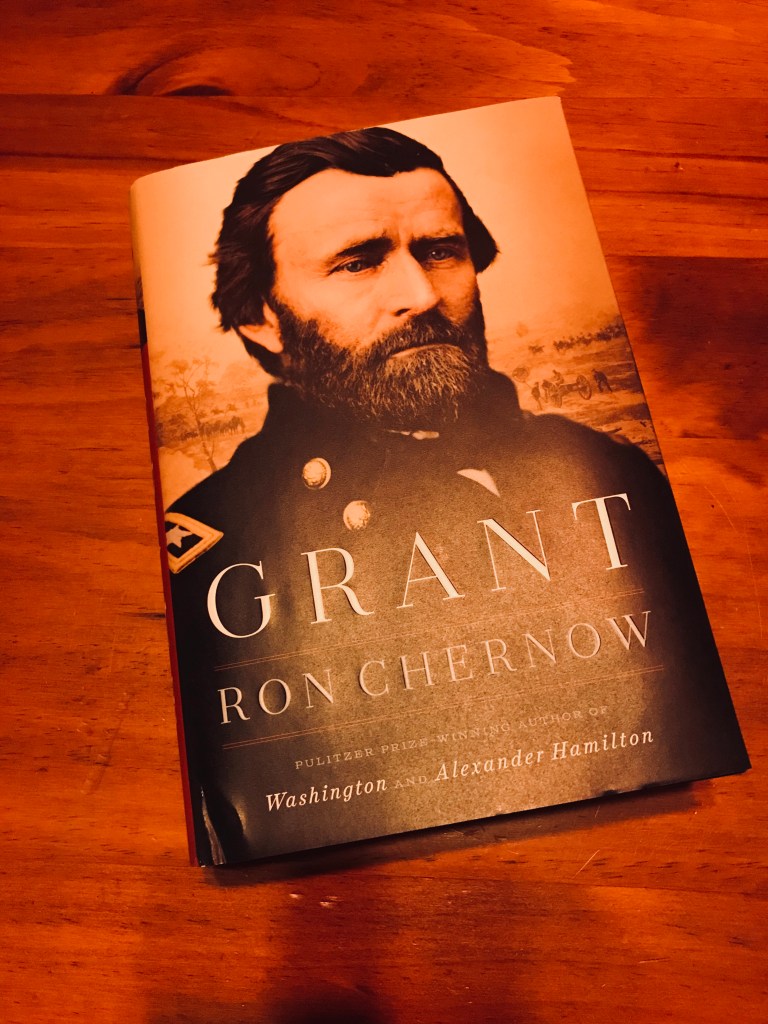
I did it! 41 books. It required a bit of a sprint at the end but I made it to my goal! Thanks to my family for all the books they gift me through the year. My local used book stores for letting me basically live amongst the shelves. The CTA conductors, airline pilots, Uber drivers for taking me places in your vehicles so that I can sit and read while I travel. Normally at this point I would make a wild goal to read 50 books in 2018, but I’m going to scale it back a bit. I have some writing goals that I would like to fulfill this year (They don’t include writing regular blog posts… but I guess I could try that.) I am going to shoot for 28-30 books, starting with this years Christmas Gift from Mom: Grant by Ron Chernow.

Happy Reading in 2018!

My Year in Books (2016)

Sandmeyer’s Bookstore Chicago

Around this time last year I set a goal for myself to try and read two books per month to pace myself for a 24 book year. I kept a record, here’s how I did:

January
Alexander Hamilton by Ron Chernow
Every year my mother gifts me a book for Christmas, this is always the first book I read in January. An incredibly smooth piece of non-fiction that inspired Lin Manuel Miranda’s musical Hamilton. Chernow’s biography is one of the most accessible pieces of nonfiction I have ever read.

February
The Regulators by Stephen King (as Richard Bachman)

March (I’m wildly off pace so far.)
The Amazing Adventures of Kavalier and Klay by Michael Chabon
Found at one of my favorite bookstores in Chicago’s Printer’s Row : Sandmeyer’s Bookstore, this was one of my favorite books of the year. A beautiful, colorful, and sometimes tragic portrait of America between the 30’s and 50’s through the eyes of two comic book creators.
American Psycho by Brett Easton Ellis
The Nightingale by Kristin Hannah
I found the content in this one very interesting. But I found the writing lacking. A lot of people loved this book, I did not. It may have been my least favorite of the year. Coincidentally this is also the book I gifted my mom last Christmas. Sorry Mom.

April
Trainspotting by Irvine Welsh
Phew. Those dialects were hard to follow. Had to read a lot of it out loud. I’m sure my neighbors thought I was looney.
Requiem for a Dream by Hubert Selby Jr.
I was writing a play that involved heroin…hence my subject matter so far this month.
Three Uses of the Knife by David Mamet
The Winter King by Bernard Cornwell

May
Enemy of God by Bernard Cornwell
On Writing by Stephen King
Excalibur by Bernard Cornwell
These were all re-reads. Cornwell’s King Arthur trilogy is one of my favorites. I try to read Stephen Kings instruction book on how to be a better writer every year.
Do Androids Dream of Electric Sheep by Philip K. Dick
The Phantom of the Opera by Gaston Leroux
Discovered in a little library down the street. Take a Book. Leave a Book. I don’t remember what I left.
Under the Dome by Stephen King
Audiobook.

June
The Once and Future King by T.H. White
Under the Banner of Heaven by Jon Krakauer

17 down at the halfway mark.

July
Empire of the Summer Moon by S.C. Gwynne

August
The World According to Garp by John Irving
Another one of my favorites on the year. Irving is incredible at taking simple stories and making them seem wondrous.
Everything I never Told You by Celeste Ng

September
The Corrections by Jonathan Franzen
The Magicians by Lev Grossman
My – “Judged This Book by It’s Cover” Award – Picked this up because of interesting artwork. Ended up having a lot of fun reading this and its sequel.

October
Heart Shaped Box by Joe Hill
My October horror pick from the son of the Master of Horror himself. Does not disappoint.
The Sympathizer by Viet Thanh Nguyen
2016 Pulitzer Winner for Fiction.

Already made my goal! The last two months are overtime.

November
Eye of the World by Robert Jordan
One of my best friends for years has been recommending the Wheel of Time series to me…there are 13 books. So in a decade or so I’ll let him know what I think.

December
Enders Game by Orson Scott Card
Audition by Michael Shurtleff
A Prayer for Owen Meany by John Irving
Speaker for the Dead by Orson Scott Card
A Christmas Carol by Charles Dickens
The Magician King by Lev Grossman
It by Stephen King
Audiobook

32!
I’d like to take this moment to thank all of Chicago’s used bookstores, Barnes and Noble, the cat for keeping me warm while reading, all the people that left me alone while I put headphones on and pretended to listen to music. This year I am going for 40. Starting the year with All the Kings Men by Robert Penn Warren. (Thanks Mom)
Happy Reading in 2017 everyone!

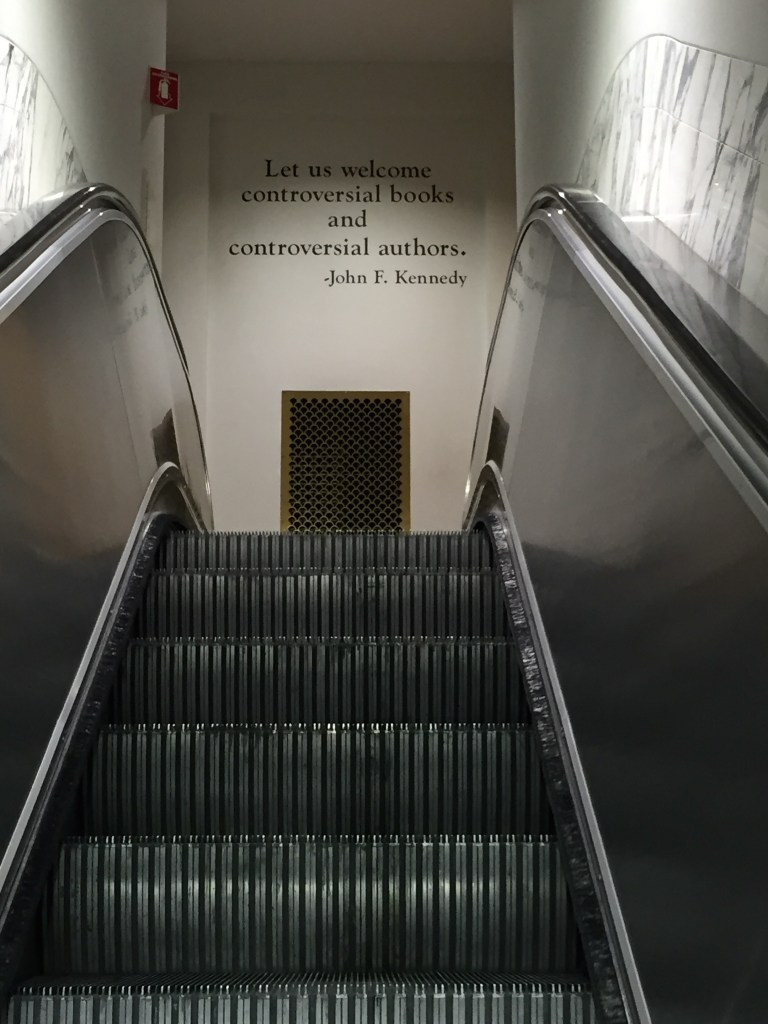
Inside The Harold Washington Library

My Person of the Year (2015)

Sometimes it’s hard not to look at the theatre landscape and wonder: “When is it all just going to fade away?” When is it going to get buried under the iPhones and iPads, the Netfllixes and Hulus? When will it fall too far behind the Avengers and Supermen or the Call of Duties and Maddens? Will we tell our children about how we used to watch storytellers weave magic with words and stagecraft before there was advanced CGI and a handheld theater device? Will they nod vacantly at us, as they put their virtual reality goggles back on and we readjust their drool catchers for them? Maybe theatre is just the next art form to become archaic. Maybe we’ve been holding onto it in the same way that our ancestors held onto cave drawings when paper was available. I don’t actually believe any of that, but I do wonder what the future holds and it makes me nervous because theater is important. We just need someone to remind us that it’s important. And why.

Enter Lin-Manuel Miranda and his phenomenon, Hamilton. Mr. Miranda came along in 2015 and “blew us all away” (Sorry, I couldn’t help myself). Miranda and his creative team constructed a modern musical about a misunderstood founding father and reminded us that the theater is still worth going to. Don’t believe me? Need proof?

  • In a year where pop culture produced a new Star Wars, Adele’s “Hello,” a sequel to To Kill a Mockingbird, and a major Game of Thrones death (?), Hamilton consistently had a dominant share of the conversation from the start of the year to the finish.
  • In a year where the Constitution was placed front and center as the Supreme Court decided on same-sex marriage, we were treated to a lesson on the document through the eyes of the man that defended its principles the hardest.
  • In a year where we watched Donald Trump make a mockery of American politics, Hamilton’s portrayal of George Washington showed us the poise and grace we should expect from our President.
  • In a year where we have seen an alarming number of black men and women shot and brutalized by police, Hamilton assembled a cast of minorities that reminds us the battles for freedom in 1776 are still relevant 240 years later.
  • In a year where politicians and bigots angrily called for a ban on immigrants entering the country, Hamilton told us the story of how formative and influential an immigrant can be to this country.

And why is he my person of the year? I was introduced to Hamilton through word of mouth. I was instantly captivated by the lyrical beauty, the catchy tunes, and the engaging characters. After I devoured Ron Chernow’s biography, Alexander Hamilton (which the musical is based on), I immediately turned the musical on again. I was astounded by the way Miranda conformed the founding fathers’ actual writings into historical poetry. How clever and chock-full of Easter eggs the lyrics are. That I feel something new with every listen is proof of how layered Miranda’s labor of love is. I could go on and on, writing a completely different post on my obsession, but it’s not necessary; my feelings aren’t unique. The musical is sold out through September 2016. Hamilton is a masterpiece and Miranda has inspired me, as an amateur playwright, to keep working hard and “not throw away my shot.” (I promise I held myself back on so many more.).

Thank you, Lin-Manuel Miranda, for reminding the world that theatre is still important. Turns out we were waiting in the wings for you. Thanks for protecting our art so passionately, ensuring it won’t fade away. Not yet.

War of the Worlds

Playwright vs Retail Employee
I am a Playwright. In a perfect world, if you were to ask me what my profession was, that would be the answer you get.
But the world isn’t perfect and that is not what I typically say. Why not? Well, because the following obligatory questions usually consist of, “Oh? What have you written?” or “Have you written anything I can see in the theatre?” And that’s where the conversation begins to halt.
I’ve only had one full length play produced so far, and it’s hard to explain a 90-117 page play conversationally. Try it. Right now, before you read any further. Explain, out loud, a very quick plot synopsis of The Crucible in just 2-3 sentences. I’ll wait.

Here’s some inspiration if you are stuck:

What did you come up with? Probably something like: “It’s a play about the Salem Witch Trials.” Or if you are feeling particularly adventurous: “It’s a play about one man’s battle to find personal salvation and his family’s forgiveness… While a bunch of puritans act all kinds of puritan-y.”
Excellent job. Thanks for your participation. The point i’m trying to make here is that there aren’t a whole lot of places to go after that. Here are the easy routes:

  • Full Synopsis – Too long, also kind of risky if you don’t have things copy written.
  • Themes and Symbolism – Hard for someone to follow if they haven’t read/seen the play.
  • Take Plot Suggestions – No. Just… No I don’t want to hear them.

And just for the sake of taking this hypothetical all the way to the end of the road. Let’s say you were the writer of Edward Albee’s The Goat. Imagine trying to describe that in a couple of sentences… at a superbowl party… to a drunk person.

So instead, when I am asked, I usually tell people that I am do tech support for a major technology retail chain. Usually followed by the obligatory questions:

  • “What are your discounts?” – If we just met… none of your business.
  • “Can you look at my electronic?” – Yeah, next time I am clocked in and at work.
  • “When is the next ____ coming out?” – The board of directors told me, but they asked me not to say anything.

Come to think of it… Saying that I am a Playwright is way more interesting. I guess the lesson I have to learn is the more work I do, the more things i’ll have to talk about. Maybe my next post will be about becoming a prolific playwright so I have lots of things to talk about.
While I am working towards that goal… Maybe I will just mumble something and then say: “What about you? What do you do for a living?”


  • Currently reading: Stardust by Neil Gaiman
  • Last movie watched: O Brother Where Art Thou?
  • Album on Repeat: Communion by Years and Years


My Rainy Day Cure for Writer’s Block

When I was eight, a rainy day was a sure fire way to put me in a surly mood. If it happened on a weekend don’t even think about making me smile. You were guaranteed to find me spending the day staring out the window and pouting as hard as humanly possible. Twenty years later and I have done a complete 180. Listening to the rain come down on my day off today was like music to my ears. Why the change? Simple. I’m dealing with a mild case of writer’s block and rain is the best medicine.

I’ve got about three projects that I have in progress right now, and I have hit a speed bump in all three of them. The trouble with knowing the beginning and ending of a story is that you have to fill the middle with something. Filling the middle requires time. Time to waste doing all of the unproductive things. Time to aimlessly watch the coffee pot. Time to crank out pages of drivel, time to re-write that drivel into something that doesn’t make you want to bang your head against a wall, and time to re-write it again so that you can actually finish a session feeling like you may actually be good at this stuff. You know what rainy days give you?

Time.

Sunshine on my day off makes me feel like I should get ‘important’ stuff done. I should do my grocery shopping, or go do some sort of physical activity. Dark skies and rainy days mean that I don’t have to feel guilty about staying in the house and wasting time. Also means that eventually I won’t have any choice but to sit down and hammer something out. So here’s my recipe for curing writer’s block:

1. Stay in bed all morning while you climb Mount Everest.
As I have mentioned before, my mount everest is Ulysses by James Joyce. I read the forward today and immediately took a victory lap around the apartment.

2. Drink all the coffee.
Literally. All of it. Extra points if it is flavored in some way. (I’m on pot number 3.)

3. Play a vinyl.
It only works if it’s a vinyl. If you’re going to fill a cliché it’s just not quite the same when you do it with an iPod. (Today: The National, and Hozier.)

4. Write. Extra points if it’s in a notebook, nothing makes you feel more productive than filling up a blank piece of paper with words.

5. When it starts pouring, go look out the window and pretend you’re in a 90s music video. Ideas for inspiration: Alanis Morissette, Jewel, Matchbox Twenty, and everything Goo Goo Dolls.

6. Repeat steps as necessary until you get some kind of working product that you can come back to when the sun comes out.

Followed these steps and you’re still stuck? It’s not gonna happen for you today. Go put your pajamas back on and binge watch a television show. (My go-to at the moment is The Wire.)

That’s my secret. Now you know. If you want to try it out, you may have to wait a while. The sun is peeking through my window as we speak. I am immediately feeling the urge to run an errand, or go to the gym…Does watching baseball on TV count as an outdoor activity?